
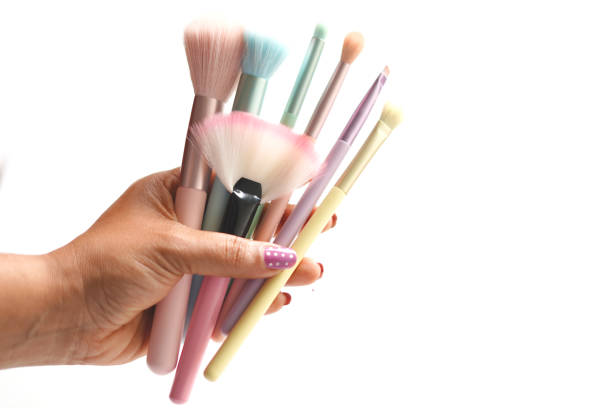


When it comes to applying makeup, there’s often a debate between using brushes or fingers. Some swear by the precision and polished finish of brushes, while others prefer the warmth and control that fingertips offer. The truth is, there’s no single correct method—it often comes down to personal preference, the type of product you’re using, and the finish you’re aiming for.
Understanding the Basics
Before choosing a method, it’s important to understand how different application techniques affect your makeup routine. The way you apply your foundation, concealer, or eyeshadow can impact the final look, wear time, and even how the product interacts with your skin.
Once you’ve selected the right makeup products for your skin type and tone, the next step is deciding how best to apply them.
The Case for Using Makeup Brushes
Makeup brushes are designed to offer precision, blendability, and a professional finish. They are especially useful when working with powder-based products such as blush, bronzer, and eyeshadow, allowing you to control the placement and intensity. Brushes are also more hygienic than fingers when cleaned regularly, reducing the risk of transferring bacteria to your skin.
When it comes to foundation and concealer, flat or buffing brushes can provide full coverage with a smooth finish. Stippling brushes, on the other hand, are great for achieving a more airbrushed look. Using makeup brushes ensures that the product is distributed evenly without absorbing too much into your skin.
Why Some Prefer Fingers
Using fingers for makeup application isn’t just about convenience—it can actually enhance the way some products perform. The warmth from your fingers helps melt the product into the skin, which is particularly useful for cream or liquid formulas. For instance, cream blushes, highlighters, and lightweight foundations often blend more naturally when applied with fingertips.
When working with minimal makeup, fingers can deliver a dewy, skin-like finish that looks more natural. Plus, using your hands offers better tactile feedback, helping you feel exactly where more blending is needed.
However, it’s important to wash your hands thoroughly before applying makeup with fingers to avoid introducing oil or dirt to your face.
When to Use Both
In many cases, a combination of both methods gives the best results. For example, you might use your fingers to apply a liquid foundation and then finish with a brush to blend the edges. Or you could dab cream eyeshadow with your finger for rich pigment and then soften the edges with a blending brush.
Some makeup products respond better to this hybrid approach, especially multi-use items like cream sticks or liquid tints. Mixing tools and techniques can help you get the most out of your products while achieving the exact finish you want.
Final Thoughts
Ultimately, whether you use makeup brushes or your fingers depends on the type of product, the desired outcome, and your comfort level. Both methods have their own benefits and drawbacks. Brushes offer precision and are ideal for layering and blending, while fingers provide warmth and a quick, natural finish.
Experiment with both and find what works best for you. With the right techniques and tools, your makeup can look flawless—no matter how you choose to apply it.