


Building safer detention facilities isn’t just about thicker walls or more cameras. It’s about specialized knowledge, seamless coordination, and systems that work together to meet strict standards. That’s where detention equipment contractors make a big impact—quietly, but powerfully shaping the integrity of every square inch behind those locked doors.
Modular Precast Cells Accelerating Facility Modernization
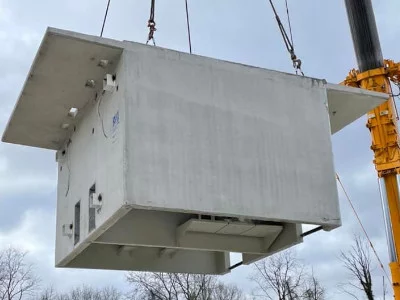
Modular precast cells are changing the game in facility construction. These factory-built units arrive ready to install, complete with built-in detention center doors, plumbing chases, electrical connections, and security features. For correctional facilities in need of upgrades or new wings, this method drastically cuts down construction time and onsite disruption. Each cell is precision-cast with reinforced concrete and steel embeds, meeting both durability and security demands with no compromise.
What makes these cells even more valuable is how they simplify code compliance. Because they’re manufactured in a controlled environment, detention equipment contractors can ensure each module meets national correctional standards and local building codes. This level of consistency improves safety ratings while eliminating costly on-site errors. With modular systems, facilities stay on schedule, and inspectors face fewer issues, making modernization smoother and faster.
Institutional-grade Locking Systems Safeguarding Operational Integrity
The backbone of secure facilities is the locking hardware—and not just any locks. Institutional-grade locking systems are engineered specifically for high-risk environments. Detention equipment contractors install heavy-duty mortise locks, sliding door mechanisms, and tamper-resistant controls that can withstand both wear and targeted manipulation. Unlike commercial-grade components, these systems are designed with inmate behavior in mind.
Beyond the physical components, locking systems also tie into access control software, ensuring every door, gate, and passage is monitored in real time. Security detention equipment contractors help integrate these systems for streamlined operations. Whether it’s an emergency lockdown or a routine check, operators have the tools to respond fast and effectively. These locking systems not only prevent breaches but also help facilities pass audits by demonstrating robust physical and procedural controls.
Pre‑Construction Coordination Reducing Regulatory and Logistical Gaps
Working with a detention equipment contractor before construction even begins offers huge advantages. Through early-stage planning, they identify compliance needs, flag potential code issues, and recommend layout changes that align with detention standards. This reduces headaches later when regulatory inspections take place or when last-minute changes threaten timelines.
More than just design guidance, pre-construction coordination helps sync general contractors, architects, and local officials around the facility’s unique security demands. Detention-specific systems—like detention center doors and integrated control rooms—must follow strict regulations, and having specialists involved early means those needs are built into the project from day one. That kind of foresight pays off with faster inspections and fewer corrections.
Detention‑Specific Fixtures Ensuring Policy Compliance
Fixtures like sinks, bunks, and mirrors might seem simple, but in a correctional setting, they carry serious compliance risks. Detention-specific fixtures are built to eliminate concealment spaces, self-harm opportunities, and vandalism. These aren’t off-the-shelf products—they’re engineered to meet agency requirements, whether for a local jail or federal facility.
Contractors ensure these fixtures are installed properly, anchoring them to wall systems that support their function and safety design. Even the angles and material finishes are chosen to meet very specific policies. Skipping on these specialized installations can result in failed inspections or worse, increased risk for staff and inmates. By sourcing and installing compliant fixtures, detention equipment contractors help maintain certification and meet federal mandates.
Systematic Warranty and Service Programs Maintaining Certification Standards
Once a project wraps up, it’s not really over. Maintaining compliance means staying on top of performance, and that’s where warranty and service programs come in. Detention equipment contractors provide systematic maintenance schedules and post-installation checkups that align with certification timelines.
This proactive approach means small issues get fixed before they escalate into code violations. From faulty locking systems to worn-out door tracks, the contractor’s service teams are trained to spot red flags quickly. That kind of attention keeps the facility compliant year-round and ready for any surprise audit or standards review.
On-site Modular Fabrication Cutting Freight and Labour Costs
Transporting large structural components across the country can get expensive fast. On-site modular fabrication solves this by bringing the production process directly to the facility. Detention equipment contractors set up controlled environments on location to build and assemble parts—like precast cells or security panels—without costly shipping delays.
Besides saving money, this method also boosts quality control. With direct oversight from specialized crews, contractors can adjust to field conditions without disrupting the overall schedule. This makes compliance checks easier too, as materials can be inspected during fabrication, not just after installation.
Single-source Delivery Aligning Construction, Hardware, and Commissioning
Detention construction is complex, with hundreds of moving parts. A single-source delivery model simplifies that by putting one contractor in charge of everything from hardware to final commissioning. This means detention center doors, locking systems, fixtures, and software are all sourced and installed through one point of contact.
This strategy eliminates finger-pointing during inspections. If a system fails or a door doesn’t meet specs, there’s no back-and-forth between trades—it’s all handled by the detention equipment contractor. With one team aligning timelines, specs, and compliance standards, facilities get smoother installs, better coordination, and stronger safety ratings right out the gate.